


Is Rear Magazine Storage Right for Your Plate Carrier?
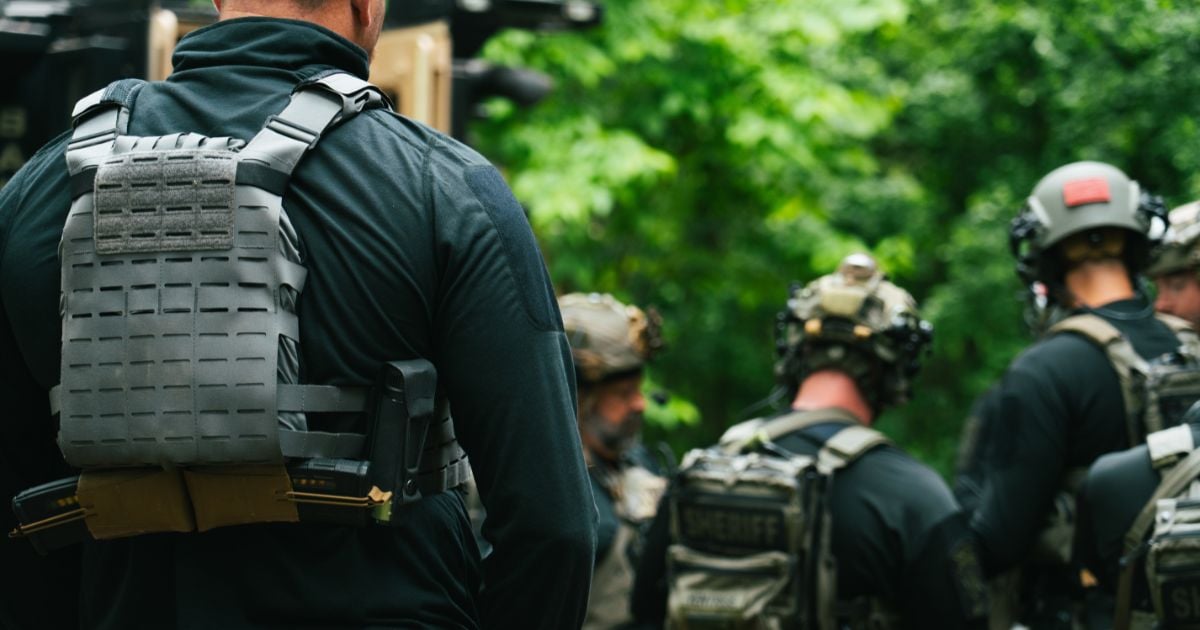
A rear panel magazine pouch for a plate carrier can increase magazine capacity by using space on the back that might otherwise go unused. But moving magazines behind you also changes how you access and manage them.
So before building your loadout around it, you need to know whether you can reliably access, secure, and manage that equipment.
The First Question Is Whether You Can Actually Reach Your Magazines
A rear mag pouch may look easy to reach when you’re holding your plate carrier in front of you, but once you’re wearing the carrier, that changes. Your shoulder mobility, carrier size, magazine position, and pouch placement all affect how far you can comfortably reach behind you. A belt, pack, or other gear can change that reach further.
Being able to touch the end of a magazine isn’t enough. You need to be able to get a solid grip, release the retention, and remove the magazine without seeing what you’re doing.
Test Access From More Than a Standing Position
Don’t judge access only from a standing position. Put on your kit and test the rear pouches from the positions you expect to use.
Try reaching them while kneeling, sitting, and prone. Pay attention to whether your plates, clothing, gloves, belt, or other equipment limit your movement or change the angle of your reach.
You shouldn’t have to find an exact body position to reach the pouch. Access should remain predictable as you move through the positions your loadout is built for.
You Cannot Manage What You Cannot See
One of the biggest differences with rear magazine storage is the loss of visual confirmation. You can usually glance down at a mag pouch on the front or side of your kit. You can’t do the same with a pouch behind you.
That means you need to rely more on feel and on a setup that behaves predictably.
Retention Problems Are Harder to Notice
A magazine can start shifting as you move, climb, or change positions. On the front of your carrier, you may notice the movement or see that the magazine isn’t seated correctly. On your back, you may have no idea if anything has changed.
That gives retention less room for error. A tactical magazine pouch used in this position should keep the magazine secure even when you can’t visually monitor it. So it’s important to have retention you can trust, like what’s built into this horizontal mag pouch.
You May Not Know the Status of Your Rear Storage
Visibility also matters after you start using the magazines. If you remove one from the rear, it may be harder to confirm which pouches are still loaded or whether the remaining magazines are fully seated.
You may be able to check the pouches by feel, or a teammate may be able to confirm their status visually. Either way, you should know how you’ll account for the magazines before relying on that storage during use.
Rear Storage Has to Work With Everything Else on Your Back

Look at everything you normally wear or carry around the rear of your plate carrier. A setup that works well on its own can become harder to use once you add a pack, medical gear, or other equipment.
Packs Can Change Access
An assault pack can cover or press against rear-mounted magazine pouches. Depending on its size and position, it may also make the magazines harder or impossible to reach while you’re wearing it.
Consider how often the pack will be on your back. If you expect to wear it for long periods, test whether you can still use your rear magazines without removing it.
Vehicles and Seating Can Change the Equation
Equipment around the small of your back can also change how you sit. A rear magazine setup that feels fine while standing or moving may become uncomfortable once you’re sitting against a vehicle seat.
Pay attention to whether magazines or pouches create pressure points, push your carrier forward, or make it difficult to sit normally. If vehicles are a regular part of how you’ll use your gear, test the setup in the type of seating you’ll actually encounter.
Check for Interference With Other Plate Carrier Accessories
Other plate carrier accessories also compete for rear space. Hydration, medical equipment, tools, cables, and radio equipment can overlap with magazine pouches or block the path your hand needs to reach them.
View your rear equipment as a single system rather than a collection of individual pieces. Every addition can change how the gear around it functions, so treat rear space as limited.
Team and Solo Use Change What “Accessible” Means
Rear storage can work very differently depending on whether you’re managing your gear alone or operating with other people. The important question is who is expected to reach it and how.
When You Are Working Alone
If you’re alone, you need to be able to manage everything you carry yourself. Rear-mounted magazines only count as useful accessible capacity if you can reliably reach, remove, and reposition them without help.
That isn’t necessarily a problem if reserve storage is the role you intended. But solo users need to be realistic about the difference between carrying more magazines and using that capacity efficiently.
When You Are Working With Others
A teammate may be able to reach equipment on your rear panel much more easily than you can. In a team environment, that can make rear storage more practical and may change how you choose to use that space.
But the setup should reflect how your team operates. Don’t assume someone else will always be available to retrieve a magazine just because they technically can.
Test Your Setup to Decide if Rear Magazine Storage Is Right for You
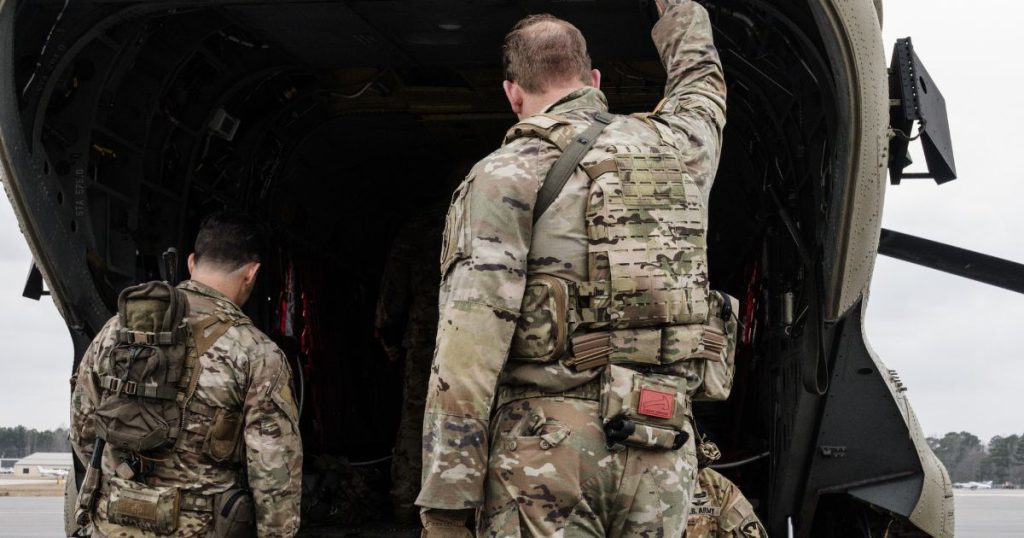
The best way to evaluate rear magazine storage is to test it in your complete loadout. Put your plates in the carrier, load the magazines, and wear the pouches, belt, clothing, pack, and other equipment you’d normally use.
Then move through the positions and activities that matter for your setup. As you do, check:
- Can you reach and remove the magazines without looking?
- Can you move a rear magazine forward to replenish your primary pouches?
- Can you tell by feel whether each magazine is properly secured?
- Does your pack cover or restrict access to the pouches?
- Can you sit comfortably with the magazines in place?
- Does anything shift, bind, or become harder to access as you move?
Testing the complete setup gives you a much better picture than judging a mag pouch on an empty carrier.
Make Rear Storage Fit Your Loadout
Rear magazine storage makes the most sense when you give those magazines a specific role and know you can manage them alongside the rest of your gear. Available space on your carrier is only useful if the equipment you put there works the way you expect it to.
The Blue Alpha +2 provides a simple way to add rear-mounted magazine pouches via the hook-and-loop interface on compatible plate carriers. Its MOLLE slots let you choose the pouches that fit your magazines and retention needs so that you can build the setup around your loadout.
If rear storage fits how you move, access your gear, and use the rest of your kit, the +2 can help you put that space to work.