


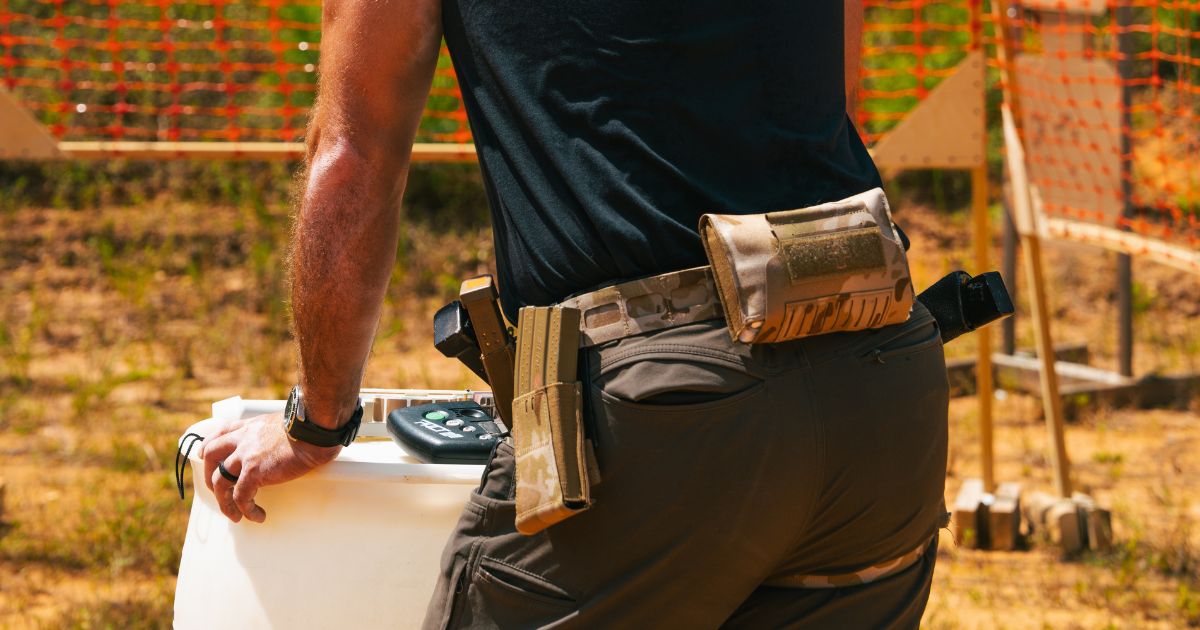
Why Underfilling Your Medical Pouch Causes Problems
An underfilled medical pouch loses its internal structure, and that structure matters more than most people realize. It’s what keeps your insert stable, your contents aligned, and your deployment consistent.
From the outside, everything can look fine. But once you add movement, the gaps inside the pouch start to matter. And that’s when an underfilled med pouch stops working the way you expect.
Why Fill Level Matters for Medical Pouch Retention
Medical pouches rely on friction to hold the insert in place and release it when you pull, whether you use a side-pull or a top-pull.
That friction comes from contact and pressure between the insert and the pouch. When the pouch is filled correctly, the pressure remains consistent, giving you a smooth, predictable pull.
When the pouch is underfilled, the contact drops, and that’s what leads to inconsistent deployment.
What Happens When a Med Pouch Is Underfilled
Inconsistent Deployment
An underfilled pouch rarely fails all at once. It shows up in small, inconsistent ways. You might start a pull and feel the insert move, and then stop halfway. Or the side pull feels smooth one time and catches the next.
That hesitation usually means the insert isn’t aligned the same way each time. Instead of a clean release, you get binding or uneven resistance.
Shifting and Misalignment Inside the Pouch
When there’s extra space inside the pouch, your gear starts to move. The insert can shift with normal movement. Items can settle or bunch, changing how everything sits. The pull handle can also rotate or shift position.
Even small changes matter. Your hand expects the same grip and motion every time. When that changes, your response slows down.
Signs Your Medical Pouch Setup Is Not Properly Filled
All of these signs point to the same issue: inconsistency. And inconsistency is what turns a working setup into an unreliable one.
- Uneven resistance when pulling the insert – If one pull feels smooth and the next feels sticky or heavy, something is off inside the pouch. That uneven resistance usually means the insert isn’t making consistent contact with the pouch walls.
- The insert feels loose or collapses inside the pouch – A properly filled med pouch should feel solid. If the insert feels loose, soft, or compresses easily, the pouch isn’t supporting it as it should. That lack of structure lets the insert shift or fold under pressure.
- Deployment changes depending on angle or force – Try pulling from different positions. If the insert comes out clean at one angle but binds at another, that’s a sign of uneven friction inside the pouch. You shouldn’t have to rely on a “perfect” pull to get consistent results.
- You have to “adjust” mid-pull to get it out – If you ever have to stop, reposition your grip, or pull again, that’s a red flag.
How to Properly Fill a Med Pouch for Consistent Deployment
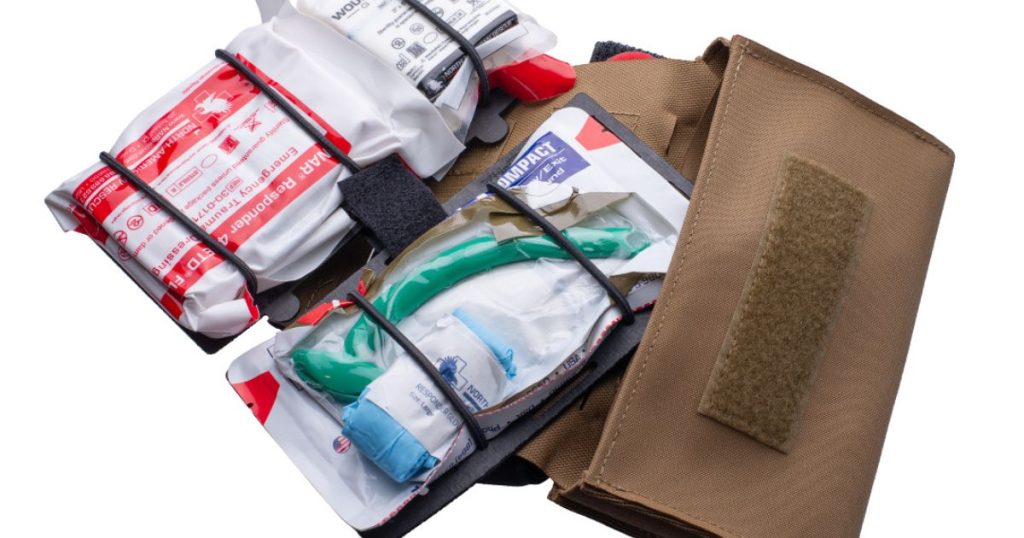
1. Fill for Structure, Not Just Capacity
Your contents should create internal rigidity. When the medical pouch is closed, it should feel firm and supported, not soft or hollow. That structure is what allows the friction system to work the same way every time.
If the insert can flex or collapse, the pouch is underfilled, even if all your gear is technically there.
If you’re still building your setup or want to refine what you carry, check out How to Build a Compact, Fast-Access Medical Pouch.
2. Distribute Gear Evenly
If one side is packed tight and another has space, the insert will sit unevenly. That leads to inconsistent pressure and unpredictable friction during deployment.
Avoid gaps or dead space inside the pouch. Spread items so they support each other and keep the insert centered. A balanced load helps the pouch maintain consistent contact across all surfaces.
3. Maintain Consistent Insert Shape
Your insert should go back into the pouch the same way every time. That means packing it in a way that supports the pouch design. Items should sit flat, stay aligned, and not shift when you move.
If your insert doesn’t go back in the same way every time, that inconsistency carries over into deployment. For a closer look, read Re-Seating Your Med Pouch Insert.
4. Set Retention Without Over-Tightening
Proper retention should feel controlled. The insert stays secure during movement but releases consistently with a single smooth pull.
If you over-tighten, friction increases too much. The insert can drag, catch, or feel stuck in place. That slows deployment or forces you to put in more effort than you should. If it’s too loose, the insert can shift or move on its own.
The goal is balance: Enough pressure to keep everything stable, but not so much that it restricts movement.
A Simple Check to Test Your Medical Pouch Setup
The best way to evaluate your setup is to test it. Run multiple pulls from different positions: standing, kneeling, and moving (if possible).
Look for:
- Smooth release from start to finish
- No hesitation or binding
- The same feel every time you pull
If the results change, your setup needs adjustment.
Once your setup is dialed in, check out Training Drills to Stress-Test Your Med Pouch to see how it performs under movement and pressure.
Consistency Is What Makes Your Setup Work
If anything changes from one pull to the next, adjust your fill, your organization, or your retention until it doesn’t.
Check out Blue Alpha’s Medical Pouch options to build a setup that stays consistent when it matters.