


Everyday Carry Belt Loadouts From the Jobsite to the Backcountry
A lot of people hear “everyday carry” (EDC) and think it always includes a firearm, but that’s not always the case. EDC simply means the tools you keep with you because they make daily life easier, safer, or more efficient. For many people, that’s a multi-tool, a flashlight, or a few first aid supplies.
And most people carry tools long before they ever think about carrying a weapon, which is why an EDC belt works for anyone who wants their essentials close.
Choosing the Right EDC Belt
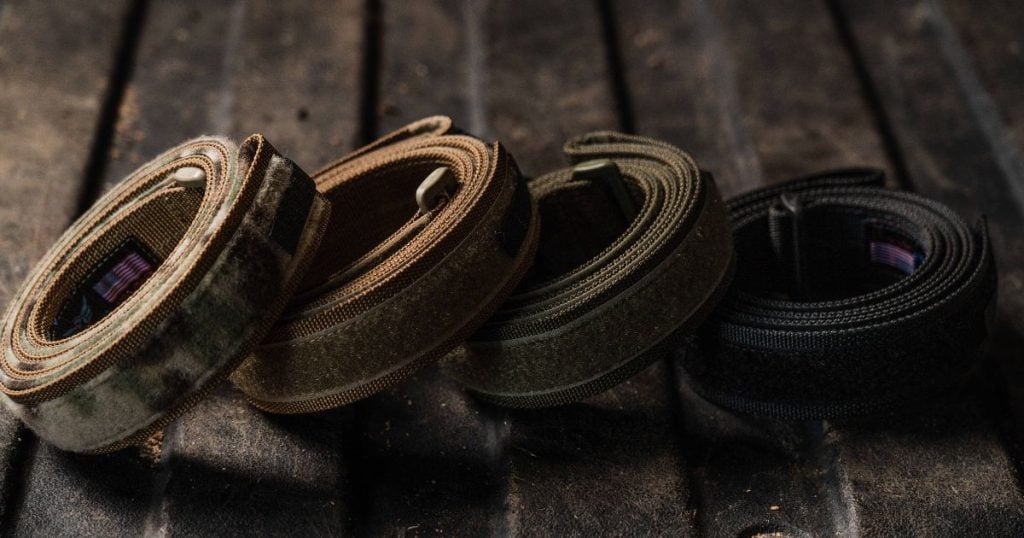
When choosing a belt, think about fit, stiffness, and adjustability. A belt should be rigid enough to hold your gear without sagging, but flexible enough to stay comfortable while you move.
Also, check how easily you can adjust it, especially if you wear different clothing layers throughout the year. A properly adjusted belt stays secure, distributes the weight, and makes it easy to access anything you need.
For everyday carry, Blue Alpha offers a few solid options that cover everything from daily carry to heavier outdoor gear.
The Hybrid EDC Belt is the go-to choice for everyday tools. It’s comfortable, sturdy, and works well if you’re carrying a multi-tool, pocket knife, small belt pouch, or other simple everyday carry items.
If you prefer a lower-profile buckle, the Low Profile EDC Belt stays out of the way and sits flat under clothing. It’s great when you need comfort, but still want a stable base for outdoor gear or emergency preparedness items.
For bigger or heavier setups, the Battle Belt Lite or MOLLE 1.75″ Belt offers more structure. These belts handle heavier loads like full medical kits, water pouches, or larger tools. They’re built for load-bearing, so they stay rigid when you clip gear to them.
Tools for a Minimal EDC Loadout
A simple setup like this keeps your everyday carry light, useful, and easy to manage.
- A pocket knife is the tool most people reach for first. It handles cutting open packages and quick fixes without taking up much space.
- Next, a multi-tool provides pliers, drivers, and other tools in one location. These are helpful when dealing with loose screws, wire ends, or unexpected repairs.
- A tactical flashlight is another smart add-on. It’s useful for low-light checks in parking lots, garages, jobsite corners, or when the power flickers.
- Additionally, adding a few feet of paracord provides a lightweight safety line for tying down gear, replacing a shoelace, or handling simple outdoor tasks.
- A small belt pouch helps keep smaller items together, such as keys, batteries, gloves, or anything that would otherwise fill your pockets.
- For quick medical needs, a couple of bandages and wipes round out the basics without turning your belt into a full first aid kit.
Jobsite EDC Loadouts
When your gear stays put and sits comfortably on your waist, you move faster and bend easier.
- A tape measure holster is usually the first thing people add. It keeps your tape in the same spot every time so you can grab it without looking.
- A set of screwdrivers or a compact bit kit fits neatly beside it for quick adjustments and installs.
- Pairing a multi-tool and a pocket knife gives you two categories of tools in almost no space: pliers and drivers for bigger tasks, plus a sharp blade for cutting strapping, tape, or packaging.
- A marker or pen pouch also helps you always know where your marking tools are, which saves the hassle of constant searching.
- Clipping work gloves to your belt keeps them ready for climbing ladders, handling rough materials, or switching between clean and dirty tasks.
- Adding a few compact first aid supplies helps with the minor cuts and scrapes that happen during daily work.
Backcountry & Hiking EDC Loadouts

A belt outperforms a backpack when you need fast access to your essentials. It’s great for hikes where you don’t need a full backpack, and it helps reduce shoulder strain over long days.
- Start with a pocket knife and a lightweight multi-tool. Together, they cover everything from cutting cords to tightening straps.
- Adding paracord and a small fire starter gives you backup for shelter building, repairs, or emergency heat without adding bulk.
- A compact first aid kit fits well on a belt and handles blisters, small cuts, or splinters you pick up on the trail.
- A compass or GPS pouch is useful when you need quick orientation without digging through your pack.
- A pouch to carry trail mix or an energy gel for mid-hike fuel, and a mini water filter in a belt pouch helps you refill from streams.
- For low-light trail sections, a tactical flashlight or a clipped headlamp gives you safe, hands-free visibility.
Shop GPS Pouches↗ | Shop Dump Pouches↗
Emergency Preparedness EDC Loadouts
An emergency belt carries gear designed for stabilization and response. It keeps life-saving tools on your waist so you can act fast, whether you’re helping during a storm, supporting CERT operations, or preparing for evacuations.
Homeowners also use small emergency belts during storm season, wildfire alerts, or power outages.
- Most setups start with IFAK-level first aid supplies. This can include bandages, gauze, gloves, and trauma shears.
- A high-output flashlight helps you work in dark hallways, basements, or at night, where visibility drops quickly.
- A paracord bundle offers an easy way to secure gear, build quick shelter points, or support basic rescue tasks.
- Many people also add ID cards, extra gloves, and a whistle, which help with communication and identification in crowded or loud environments.
- Depending on your role, you can clip on lightweight tools for search and rescue, medical support, or disaster response. This keeps your gear simple and focused, without carrying a full pack (unless you need one).
Shop Medical Pouches↗ | Shop Tourniquet Holders↗
How to Set Up Your Gear
Your belt should strike a balance between weight, comfort, and placement. When everything has a consistent spot, you grab what you need without thinking, and the load feels lighter throughout the day.
A simple way to plan your setup is the rule of thirds.
- Keep daily-use items toward the front so you can reach them fast.
- Put your main tools on the sides, where weight is easier to carry without digging into your hips.
- Use the rear only for light items that won’t poke or shift as you move.
Before taking your loadout into the field, test your gear at home. Walk around, sit down, crouch, climb stairs, and reach for each tool. You’ll spot loose items, pressure points, or awkward placements before they slow you down outside.
Common Mistakes to Avoid
A few things can throw off a good setup.
- Overloading your belt with gear “just in case” only adds weight and slows you down.
- Using a belt that isn’t stiff enough makes tools sag and shift.
- Poor placement (like stacking too much on one side or putting bulky items at your back) makes bending, sitting, or walking uncomfortable.
Simple Gear, Ready When You Need It
These setups work for anyone, whether you’re carrying tools, outdoor gear, or emergency essentials.
If you’re ready to build your own setup, shop Blue Alpha’s Belts and choose the platform that matches your work, lifestyle, and gear.