


How to Use the BRB (Breaching Rescue Bar)
The BRB (Breaching Rescue Bar) is built for one thing: giving you immediate access when you need it most. But having the tool isn’t enough. How you carry it, draw it, and use it determines whether it actually works when it counts.
What Is a BRB and What Is It Used For?
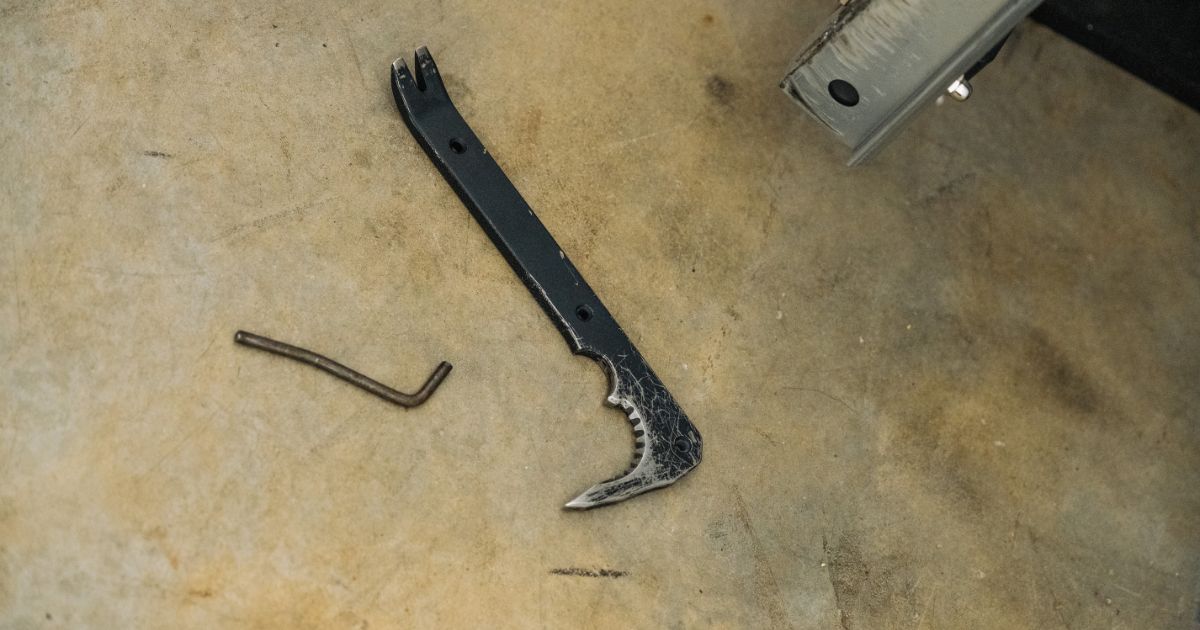
The Good Dude BRB is a compact breaching tool that gives you fast access to doors, windows, and vehicles.
Instead of carrying a full-size pry bar or breaching kit, the BRB puts core capability on your person. It combines multiple functions into a small, belt- or plate-carrier-mounted tool so you don’t have to rely on larger gear stored out of reach.
What the BRB Is Designed to Do
The BRB covers a few key tasks you’re most likely to run into:
- Forcing entry – Use it to create gaps in doors, defeat locks, or gain access when standard entry isn’t an option.
- Prying and leverage work – It functions like a compact pry bar for opening compartments, moving obstacles, or working through tight spaces.
- Emergency rescue scenarios – The BRB is also built to break glass, work through laminated windows, or create an access point in a vehicle or structure.
Modern vehicles now use laminated glass not just for windshields but also for side windows. This type of glass is designed to remain intact under impact, which means basic tools like standard window punches don’t work as expected. Instead of shattering, the glass holds together, making access slower and more difficult without the right tool.
The BRB is designed to handle that challenge by allowing you to both break and work through the material, giving you a more reliable way to create an opening when fast access matters.
Why the Size and Carry Matter
What sets the BRB apart is how quickly you can access it. This isn’t a trunk tool. It’s designed to be:
- Compact enough for belt or MOLLE carry
- Lightweight enough to move with you
- Securely mounted so it stays in place during movement
How to Draw the BRB
The goal is simple: same grip, same motion, every time.
1. Establish a Consistent Grip
- Place your hand in the same position on the handle. This builds muscle memory so you don’t have to adjust mid-draw.
- Use the tool’s shape and texture to guide your grip. Features like grooves or knurling help you confirm placement without looking.
- Avoid re-gripping after the draw. If you have to adjust your hand, you’ve already lost time. Set your grip before the tool clears the pouch.
2. Clear the Pouch
- Pull straight up and out with intent. Keep the motion smooth so the tool clears without catching.
- Watch for snag points. Gear, clothing, or poorly adjusted retention slows you down. Fix those during setup, not during use.
- Balance retention and access. Your pouch should hold the BRB securely during movement while still allowing a clean release when needed.
3. Maintain Awareness During Deployment
- Track where the tool is at all times. In close spaces, it’s easy to bump gear, walls, or people if you’re not paying attention.
- Be aware of others around you. The BRB is a solid tool, so uncontrolled movement can cause injury.
- Move with purpose, not speed alone. Fast is good, but controlled is better, especially when you’re working in tight, high-pressure environments.
How to Use the BRB for Leverage and Control
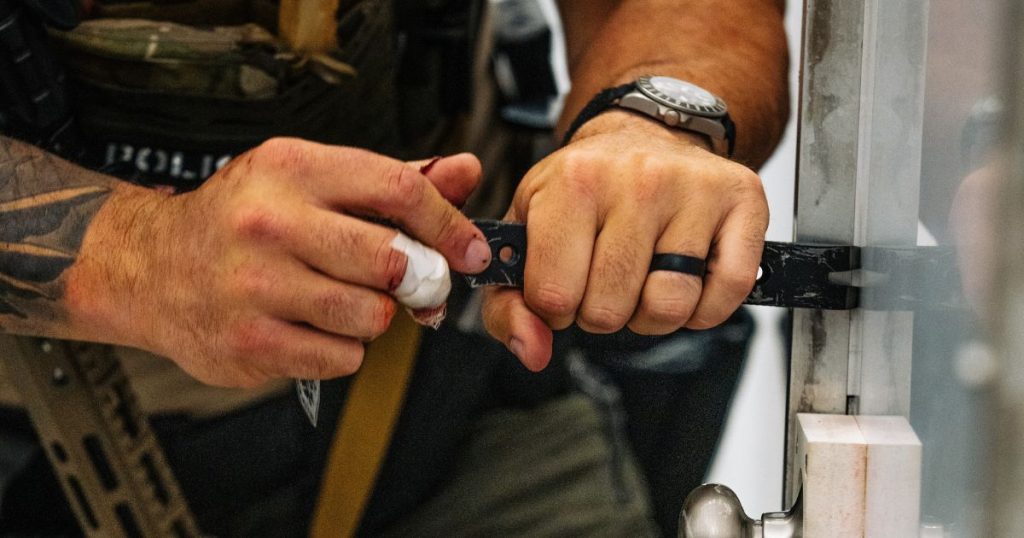
The BRB is designed to work with leverage. If you rely solely on strength, you’ll get inconsistent results and lose control of the tool.
1. Focus on Leverage, Not Force
- Use the tool’s shape to create a pivot point. Once the bar is set, you’re working against that point and not just pushing forward.
- Let the tool’s angle do the work. The fork and tip are designed to gain purchase quickly. Use that to your advantage instead of forcing it.
- Stay close to the work area. Shorter, tighter movements give you more control and better results.
2. Apply Controlled Pressure
- Build pressure gradually. This helps you maintain control and feel how the material is responding.
- Avoid sudden jerks or swings. Quick movements can break contact or throw off your positioning.
- Adjust as needed. If something isn’t moving, reset your angle instead of pushing harder.
3. Stay Stable and Well-Positioned
- Keep a solid stance. Stable footing helps you apply force without overextending.
- Align your body with the direction of movement. This keeps pressure consistent and reduces strain.
- Maintain control of the tool at all times. If you feel it slipping or shifting, reset before continuing.
Breaking Laminated Glass with the BRB
Modern vehicles are increasingly using laminated glass for side windows and not just windshields. Laminated glass is designed to stay intact under impact rather than shatter like tempered glass.
That’s good for safety, but it makes access harder since window punches struggle with this type of glass.
Because of that, gaining access is less about a single strike and more about working through the material in a controlled way.
Basic Approach to Defeating Laminated Glass
With laminated glass, the goal is to create an opening you can work through and not just break the surface.
- Create targeted break points. Use the hammer side of the BRB to apply controlled strikes in the area you want to open. Think of this as placing “dots” where the material starts to weaken.
- Work between those points. Once you have multiple break points, use the hook side of the tool to connect them by using short, rapid sawing motions.
- Use the right part of the tool. The hammer side creates break points, while the hook side works through the material. Switching between them is what makes the process work.
- Stay controlled throughout. Rushing or overcommitting force can reduce control. Consistent pressure and positioning will give you better results.
Think of it as creating and expanding an access point and not trying to defeat the entire surface all at once.
How to Reholster and Secure the BRB
Putting the BRB back in place should be just as controlled as drawing it.
Controlled Return to the Pouch
- Guide the tool back in with intention. Keep your grip steady and direct the bar into the pouch opening.
- Match your entry angle to the pouch. This prevents catching edges or forcing it in at the wrong angle.
- Stay in control until it’s seated. Don’t release early or let the tool drop into place.
Avoid “Blind” Reholstering
Trying to reholster without awareness is where most issues start. You’re not losing time by being precise, but preventing bigger delays.
- Take a quick visual check if needed. Especially in tight setups or after movement, a quick glance can prevent a miss.
- Be aware of surrounding gear. Straps, cords, or other tools can shift and block the opening.
- Don’t force it if it doesn’t line up. Reset and try again rather than pushing it in blindly.
Confirm Full Seating for Retention
- Press it fully into place. You should feel it settle into the correct position.
- Check retention before moving on. A quick tug confirms it won’t come loose during movement.
- Make adjustments if needed. If retention feels too loose or too tight, fix it before it becomes a problem.
Choosing the Right BRB Pouch
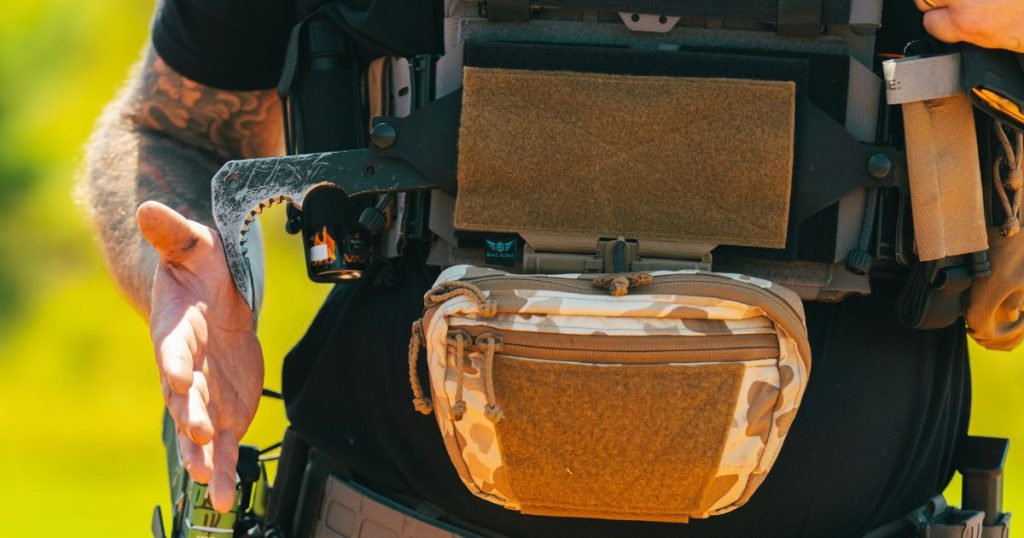
A good pouch holds the tool and keeps it ready without getting in your way. When you’re choosing a BRB pouch, focus on how it performs during movement and repeated use.
- Retention strength – The pouch should hold the BRB securely through running, kneeling, and transitions. At the same time, you should still be able to draw it without fighting resistance.
- Mounting compatibility – Your pouch needs to integrate cleanly with your belt or MOLLE setup.
- Low-profile design – A slim pouch reduces snag points, keeps your setup streamlined, and makes movement easier in tight spaces.
Blue Alpha BRB Pouch
The Blue Alpha BRB Pouch is built around those exact priorities.
It’s designed to:
- Maintain consistent retention during movement
- Support a clean, repeatable draw
- Mount securely to your belt or MOLLE setup
- Stay low-profile so it doesn’t interfere with other gear
If you’re running a BRB, pairing it with a pouch designed specifically for it helps you get the most out of the tool, especially when access and control matter.
Keep It Simple and Repeatable
If any part of your setup feels inconsistent, it’s worth adjusting. Small changes in placement or technique make a big difference once you’re moving and working under pressure.
Explore the Good Dude BRB and Blue Alpha’s Breaching Rescue Bar Pouch to build a system that stays secure, draws cleanly, and works when you need it.