


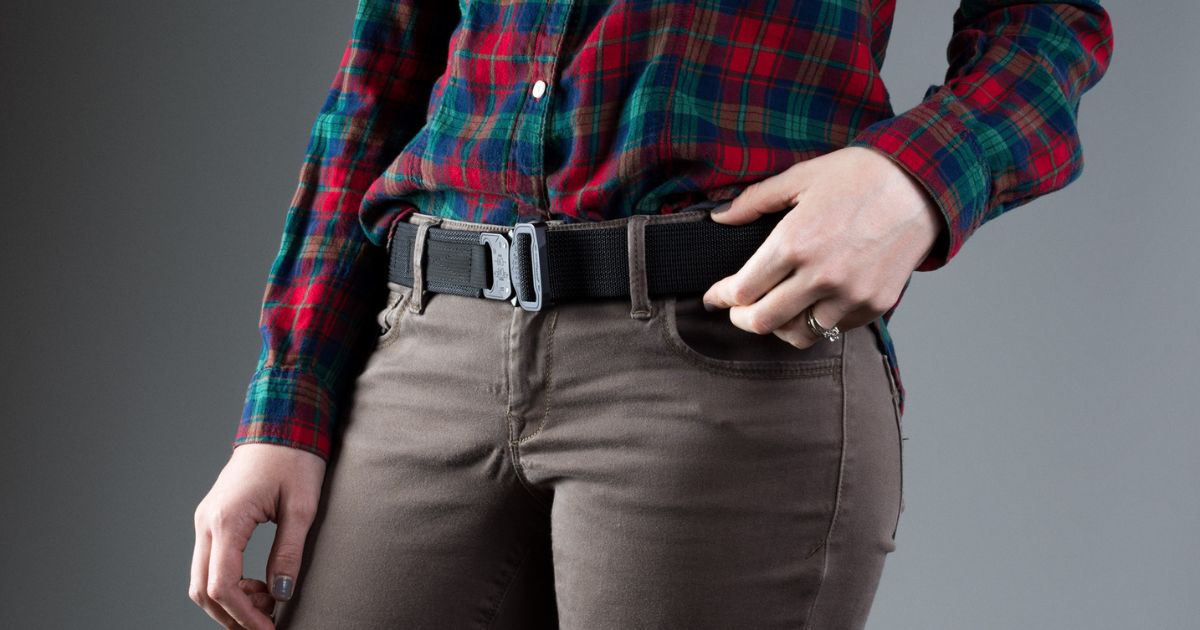
How to Build a Minimalist EDC Setup
A minimalist EDC setup includes only the items that solve real, daily problems. If something doesn’t help you get through a typical day, it doesn’t make the cut.
This approach works because it’s built for everyday wear. Lighter gear is easier to live with. Low-profile items print less, shift less, and don’t fight your clothing or movement. When your setup disappears into your routine, you’re more likely to carry it consistently.
Minimalist EDC Is a System, Not a Checklist
A strong minimalist EDC setup isn’t about checking boxes. It’s about how everything works together.
Each item affects the others. Your belt influences how your holster rides. Your holster affects comfort and access. Your clothing either supports the setup or fights it. When those pieces don’t align, even good gear feels wrong.
And a minimalist EDC setup isn’t about being underprepared. It’s about being intentional. Each item stays because it earns its place through regular use, comfort, or support of the overall system.
That’s why minimalism improves reliability over time. Fewer items mean fewer failure points. Less bulk means less shifting, less adjusting, and less temptation to leave something behind.
How to Decide What Belongs in Your Minimalist EDC
Once you think in systems, deciding what stays becomes much simpler. Instead of asking “What could I carry?” ask “What do I actually use?”
A practical way to evaluate gear is to look at three factors:
- Frequency – You use it regularly, not once every few months.
- Function Density – It solves more than one everyday problem.
- Carry Cost – It doesn’t add unnecessary weight, bulk, discomfort, or movement issues.
If an item doesn’t pass at least one of these, it’s usually dead weight. This kind of filter naturally removes redundancy while keeping the things that matter day to day. You end up with a setup that’s usable and easier to carry all the time.
Once you know how to evaluate gear, the remaining question is which items usually earn a place in a minimalist setup.
The Core Pieces of a Minimalist EDC Kit
A solid minimalist EDC list focuses on gear that supports daily movement, access, and comfort without excess. These are the items most people actually benefit from carrying.
Belt
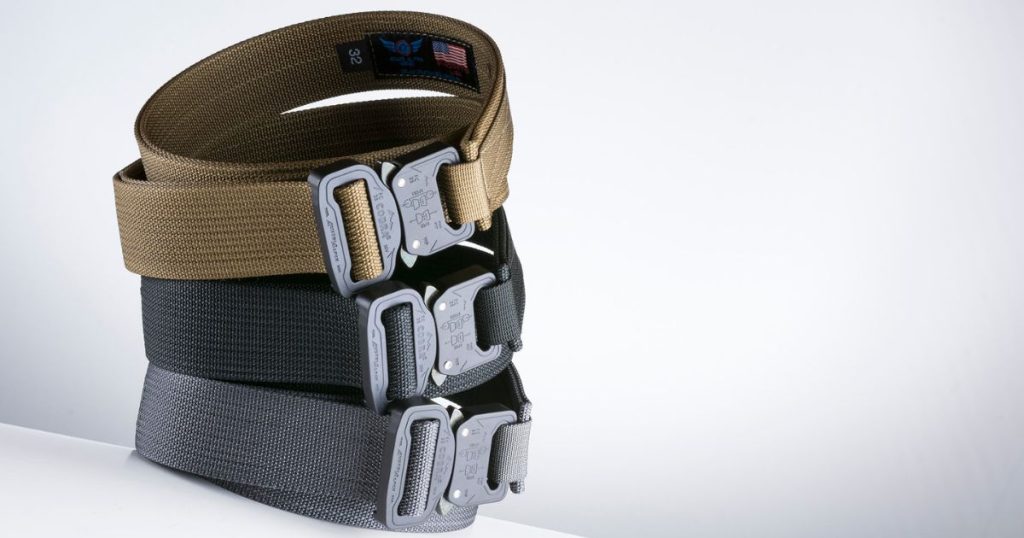
In a minimalist EDC kit, the belt matters more than most people realize. If the belt shifts or digs in, the rest of your carry suffers. A good EDC belt balances low-profile comfort with enough structure to support concealed carry and movement.
For instance, the Blue Alpha EDC Belts are built to disappear under regular clothes while still providing the support needed for carry. They have enough rigidity to stay stable, without the stiffness overload that creates pressure points or excess bulk.
When your belt stays out of the way, the entire setup feels lighter, cleaner, and easier to live with.
When Belt Carry Doesn’t Work
In situations where belt carry isn’t practical because of certain clothing choices, seasonal layers, or activities that don’t support a stable waistband, an alternative carry method makes sense.
A low-profile option like the Blue Alpha Fanny Pack allows you to maintain access and organization. Used intentionally, it serves the same goal as a minimalist belt: reducing friction so carry stays consistent.
Wallet
Prioritize the basics: ID, a few cards, and maybe one folded bill. Extra storage sounds useful, but it usually adds bulk you feel every time you sit, bend, or move. Slim profiles work best since less capacity means more daily comfort.
Keys
Keys are one of the most common sources of unnecessary bulk in everyday carry. Extra keys, large keychains, and unused fobs add weight and create awkward pressure in pockets.
A minimalist approach keeps only the keys you actually use and organizes them so they stay flat and quiet.
You could use an item like the Blue Alpha’s Belt Lanyard, which gives keys a fixed, low-profile place to live without swinging, bunching, or adding pocket weight. It’s a simple way to lower carry cost while keeping access predictable.
Knife
A knife earns its place because it solves real problems: cutting tape, opening packaging, trimming cord. Compact, folding, low-profile designs are easier to carry and draw less attention. Oversized or overly aggressive knives add weight and complexity without adding much value.
Should a Phone Be Part of Your Minimalist EDC?
A phone sits in a minimalist EDC gray area. Everyone carries one, but not everyone should think of it the same way. So the goal isn’t deciding whether a phone belongs in your EDC but whether it changes what else you carry.
You may include your phone in your EDC if it replaces other tools. Navigation, light use, communication, notes, and emergency access all count toward function density. In that case, the phone earns its place by reducing the other things you need to carry.
You may exclude your phone from your EDC list if you treat it as a given rather than a tool. If it doesn’t change what you carry, it doesn’t need to be part of your setup.
With the core pieces in place, the next step is to apply the same logic to your own daily carry.
Build Your Minimalist EDC
1) Empty your current EDC.
Put everything you carry on a table. Pockets, bag, vehicle stash – everything. This shows you what you’re really living with day to day, not what you think you carry.
2) Sort items by use: daily vs. occasional.
Make two piles:
- Daily use: You use it weekly (or more)
- Occasional: You’ve used it once or twice, or it’s mostly “just in case.”
Be honest here. Occasional items aren’t automatically bad, but they have to earn their space.
3) Apply the carry filter.
Now run each item through the same three questions:
- Do you use it regularly?
- Does it solve more than one problem?
- Does it add bulk, weight, discomfort, or awkward movement?
If an item doesn’t pass at least one, set it aside. This is how you cut redundancy without weakening your setup.
4) Rebuild around comfort and consistency.
Start with the pieces that make carrying feel normal: the items that stay comfortable while you sit, drive, bend, and move all day.
Then add only what supports your routine. The best minimalist EDC kit is the one you’ll carry every day without thinking about it. If it causes discomfort or requires constant adjustments, it won’t last, no matter how “good” the gear is.
Carry Less, Carry Better
When your gear works together, stays comfortable, and fits your daily routine, you don’t have to think about it, and that’s when EDC actually works.